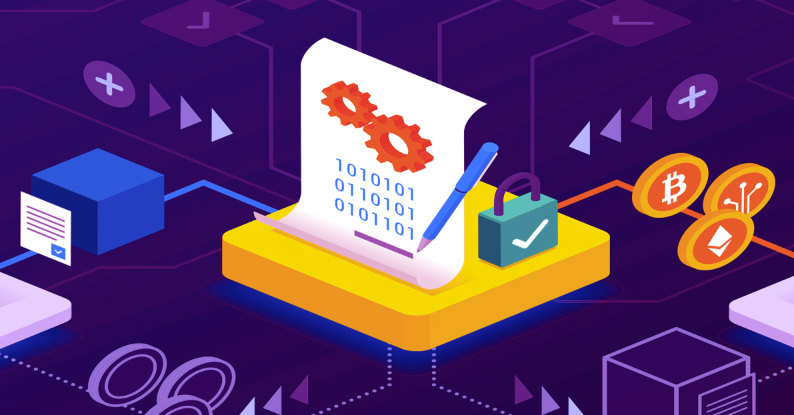
Blockchain technology fundamentally alters the landscape of digital transparency. By utilizing a decentralized ledger, it ensures that every transaction is recorded immutably and verified through cryptographic processes. This system not only enhances data integrity but also reduces reliance on intermediaries, thereby minimizing the potential for manipulation. As industries increasingly adopt blockchain, the implications for trust and accountability become more pronounced. What challenges and opportunities lie ahead in this evolving framework?
The Basics of Blockchain and Transparency
Blockchain technology serves as a foundational element for enhancing transparency in digital systems.
This innovative framework operates as a decentralized digital ledger, ensuring the integrity of transactions through immutable records. By enabling verification without centralized authority, blockchain fosters trust among participants.
Its structural design promotes accountability, allowing users to trace data origins and alterations, ultimately empowering individuals with greater freedom in their digital interactions.
How Does Blockchain Enhance Data Verification?
Utilizing cryptographic techniques, blockchain enhances data verification by creating a secure framework for validating transactions.
This architecture ensures data integrity through decentralized consensus mechanisms, which eliminate the need for intermediaries.
The verification process involves multiple nodes confirming the authenticity of data, thereby fostering trust.
Consequently, blockchain provides a robust solution that addresses vulnerabilities in traditional systems, ultimately promoting transparency and accountability in digital transactions.
Real-World Examples of Blockchain in Action
The application of blockchain technology extends beyond theoretical frameworks, manifesting in various practical scenarios that demonstrate its capabilities.
In supply chain management, blockchain ensures traceability of products.
In voting systems, it enhances electoral integrity.
Healthcare records benefit from improved security and accessibility, while financial transactions gain transparency and reduced fraud risk.
These implementations exemplify blockchain’s potential to revolutionize critical sectors.
See also: Professional Digital Marketing 911210013 for Businesses
The Future of Trust: Blockchain’s Role in Digital Systems
As digital interactions increasingly permeate daily life, the need for reliable mechanisms to establish trust becomes paramount.
Blockchain technology offers a framework for decentralized trust, enabling verification without central authorities. This shift enhances digital integrity, ensuring data authenticity and security.
As organizations adopt blockchain solutions, they pave the way for a future where transparency fosters trust, empowering individuals in an increasingly interconnected digital landscape.
Conclusion
In a world where trust is as scarce as a unicorn sighting, blockchain emerges as the digital knight in shining armor—immutable, decentralized, and oh-so-translucent. Yet, while it promises unparalleled transparency, one must ponder whether society is ready to trade blind faith in intermediaries for a trustless system that requires an entirely new set of players. After all, who wouldn’t prefer a network of cryptographic wizards over the good old-fashioned handshake? Progress, it seems, comes with its own brand of irony.